About this brochure
This brochure explains how pharmaceutical sites can manage visitors, door access and alarm notifications from one browser. It covers timed passes for visitors and hauliers, reception sign-in, door groups and an access log that includes refused attempts. It also describes how a temperature monitoring system can pass cold-room alarms to selected people and systems, and how reception or site management can use a phone for visitor roll call.
The guide is for pharmaceutical manufacturers, wholesalers and labs, including those managing licensed premises, controlled drugs stores, warehouses and cold rooms. It discusses guidance on restricted access, audit trails and out-of-hours temperature alerts, as well as the steps involved in switching from a licence-based system. The brochure states that the platform does not claim GxP validation and does not measure temperature.
What’s inside
The text of each page, written out so it can be read and searched.
Page 1
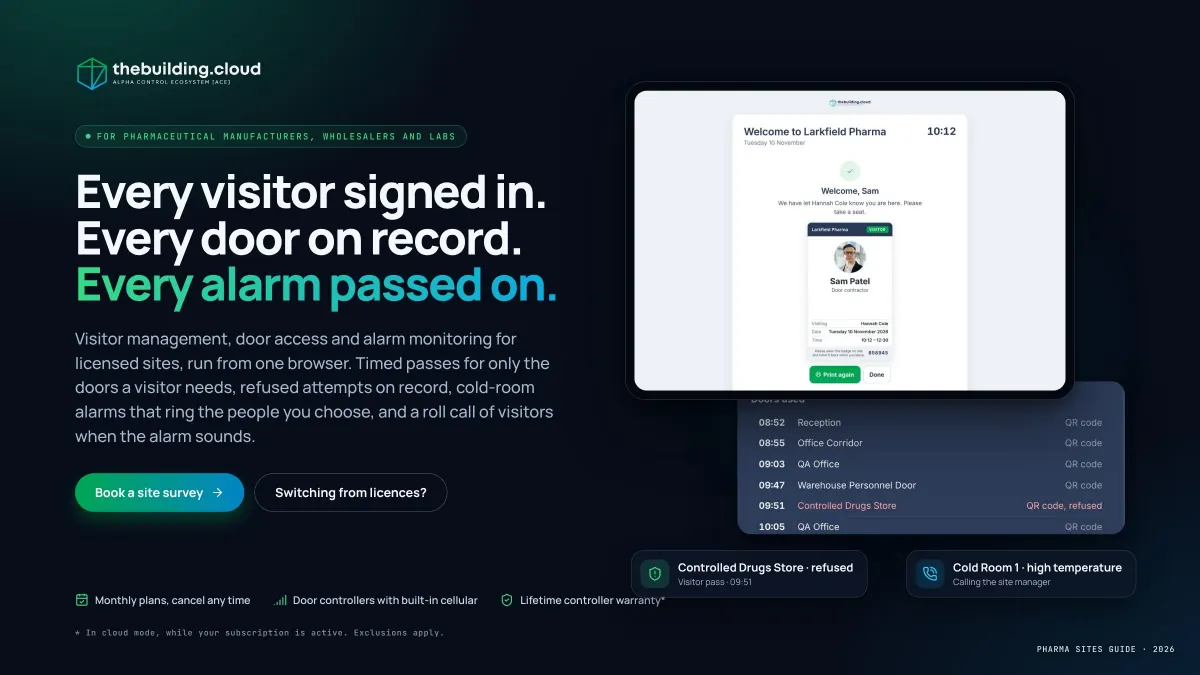
FOR PHARMACEUTICAL MANUFACTURERS, WHOLESALERS AND LABS
The guide introduces visitor management, door access and alarm monitoring for licensed sites. It describes timed passes, records of refused attempts, cold-room alarm notifications and visitor roll call.
Page 2
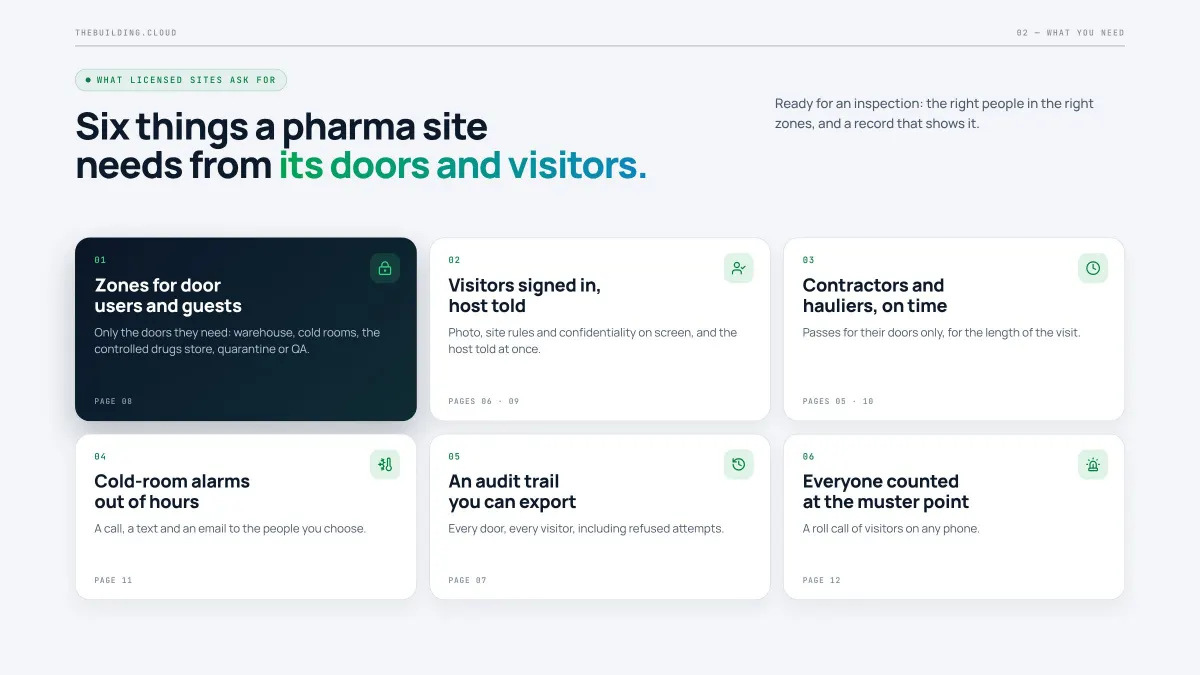
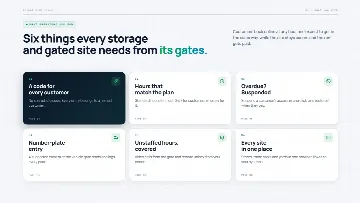
WHAT LICENSED SITES ASK FOR
The brochure lists six site needs, from door zones and visitor sign-in to out-of-hours cold-room alerts. It also covers exportable records and visitor roll call.
Page 3
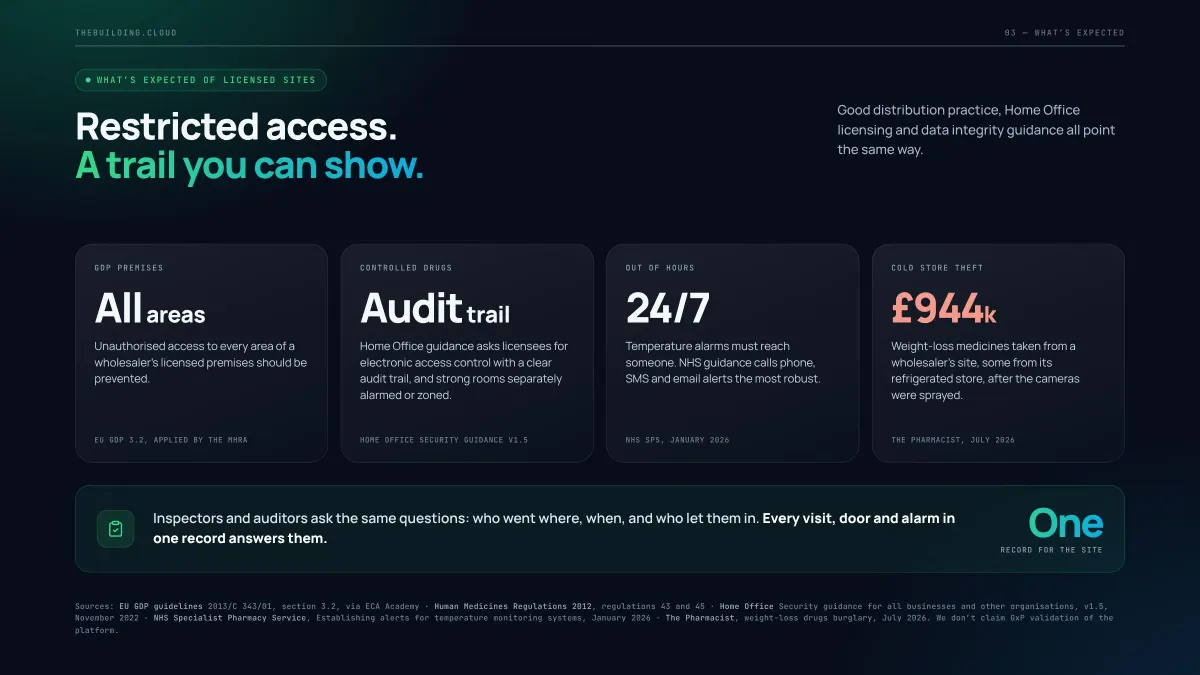
WHAT’S EXPECTED OF LICENSED SITES
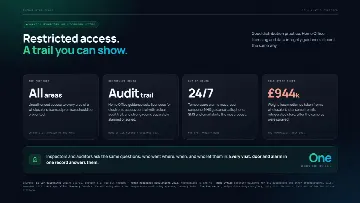
This page discusses guidance on restricted access, controlled drugs audit trails and temperature alerts. It states that the platform does not claim GxP validation.
Page 4
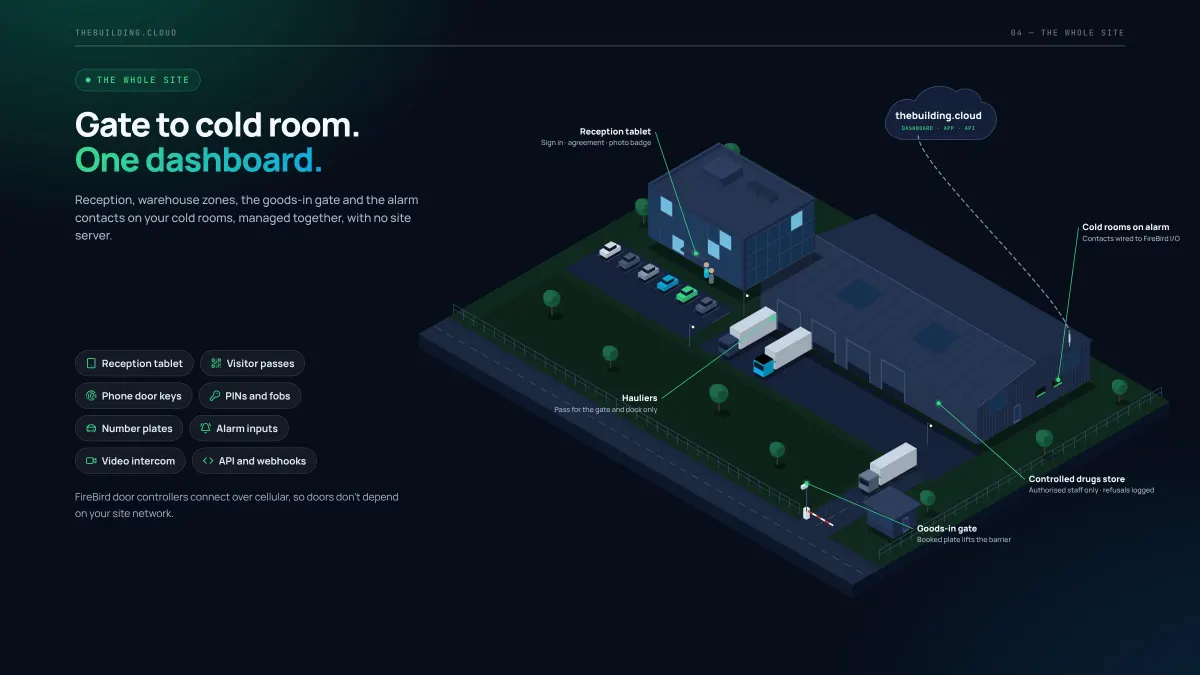
THE WHOLE SITE
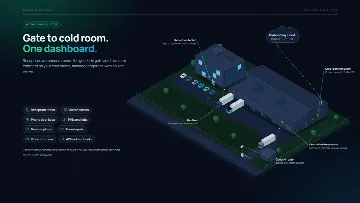
Reception, door zones, goods-in gates and cold-room alarm contacts can be managed together without a site server. FireBird door controllers connect over cellular.
Page 5
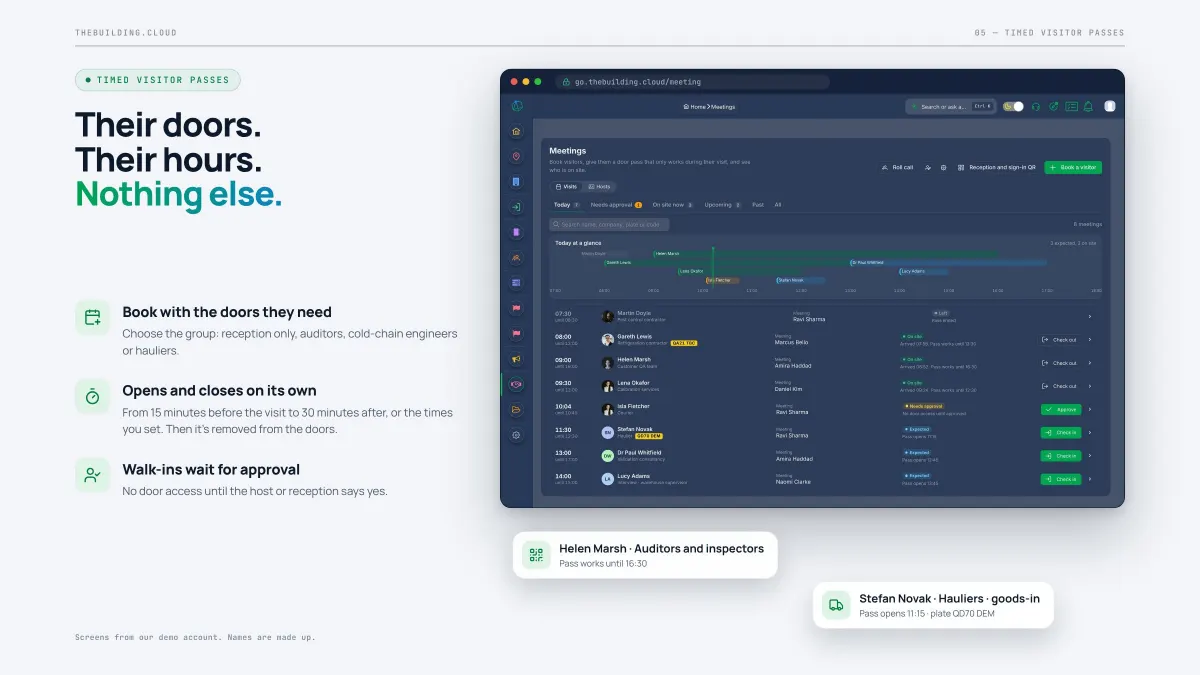
TIMED VISITOR PASSES
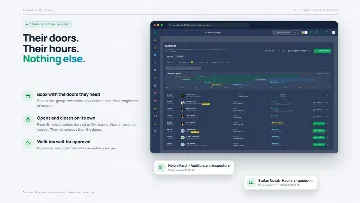
Visitors can be given passes for selected doors and hours. Walk-ins wait for host or reception approval before receiving door access.
Page 6
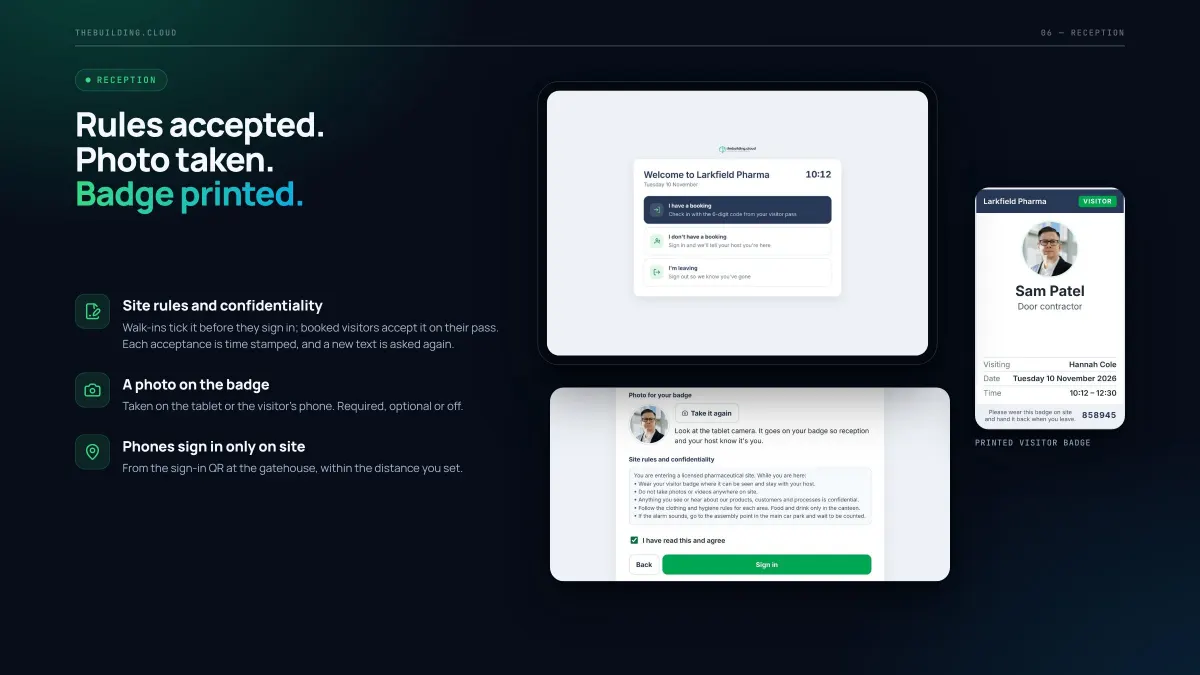
RECEPTION
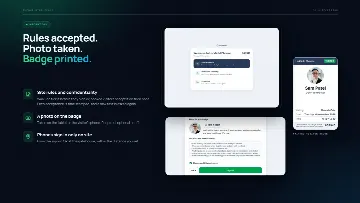
Visitors can accept site rules and confidentiality terms, with each acceptance time stamped. Photos can be taken on a tablet or phone for a printed badge, and phone sign-in can be limited to a set distance from the site.
Page 7
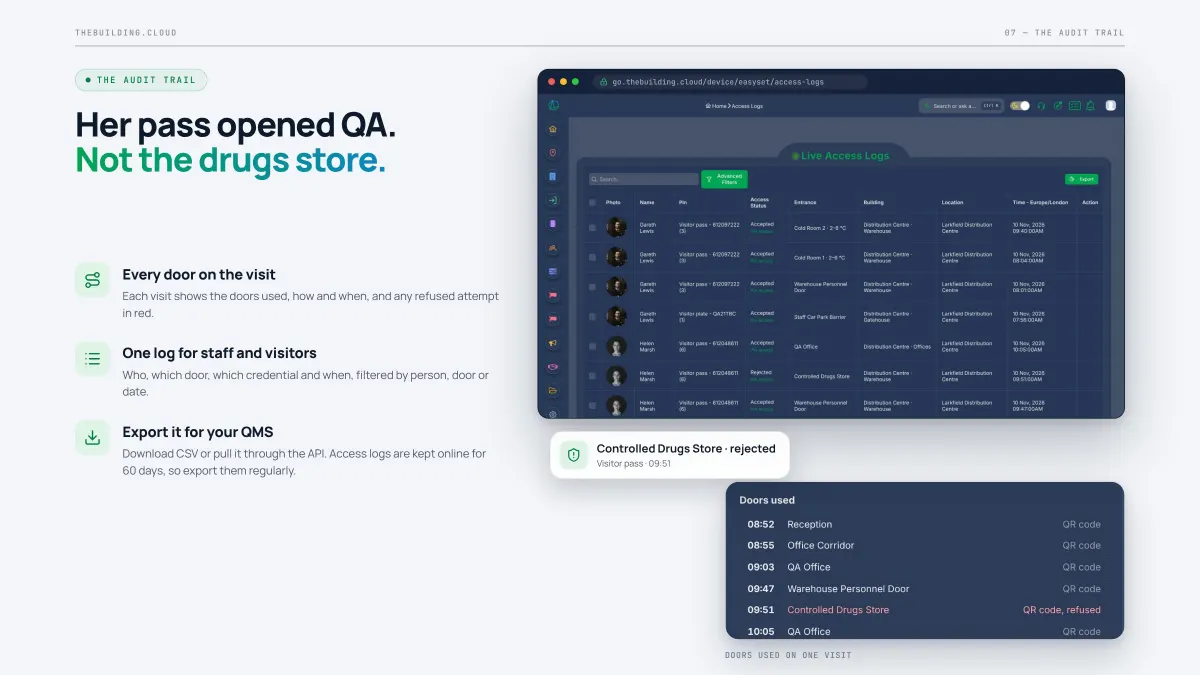
THE AUDIT TRAIL
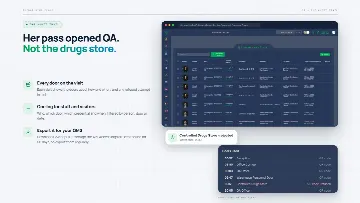
Visit records show doors used, times and refused attempts, while a shared log can be filtered by person, door or date. Access logs are kept online for 60 days and can be exported as CSV or through the API.
Page 8
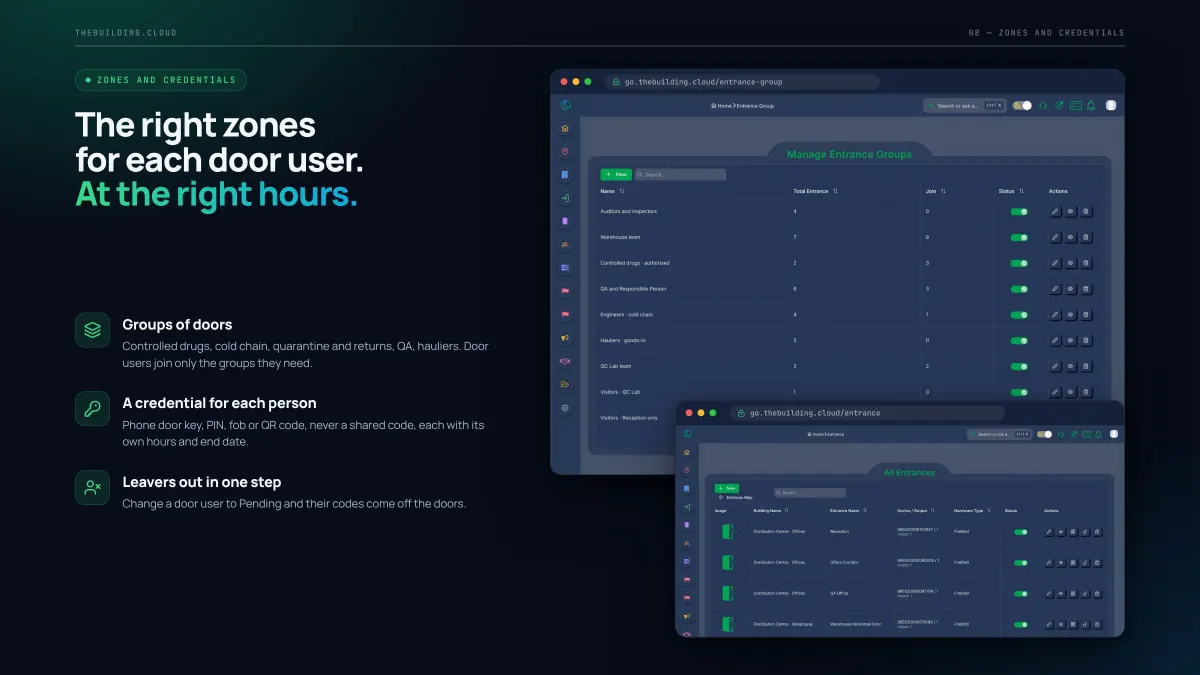
ZONES AND CREDENTIALS
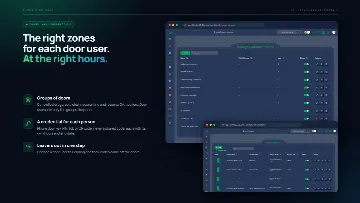
Door users can be assigned to the groups they need, with individual phone keys, PINs, fobs or QR codes. Changing a user to Pending removes their codes from the doors.
Page 9
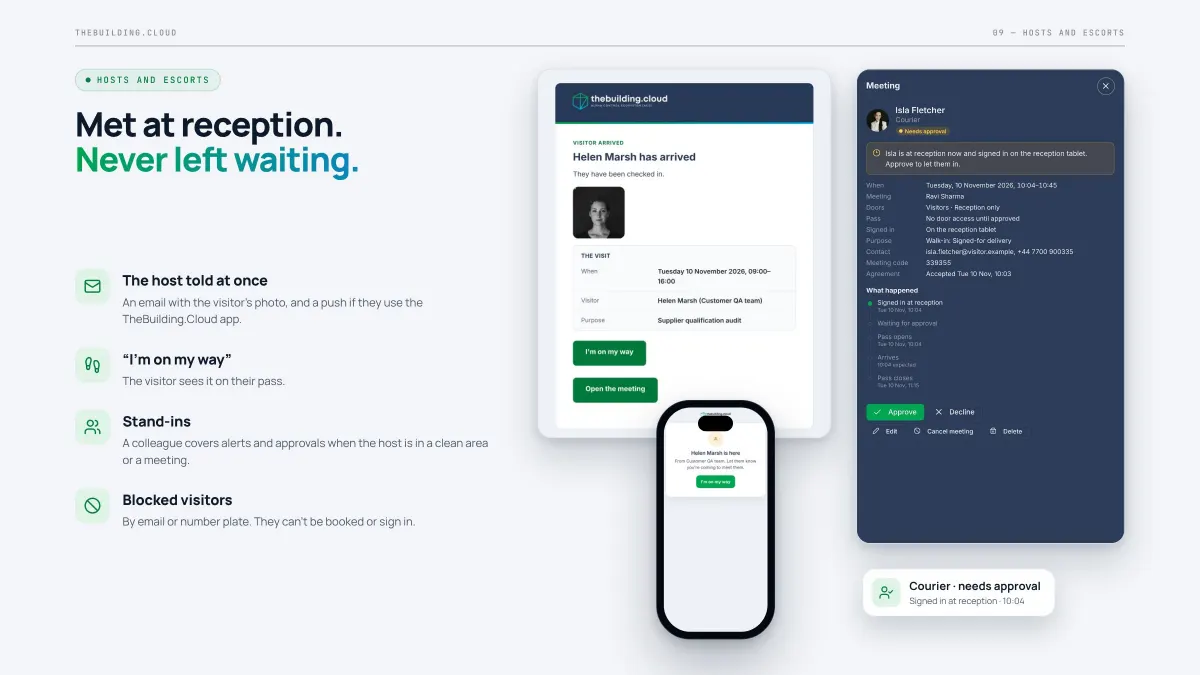
HOSTS AND ESCORTS
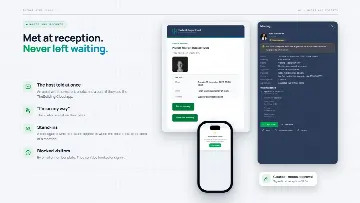
Hosts receive an email with the visitor’s photo and, if they use the app, a push notification. A colleague can cover alerts and approvals, and visitors can be blocked by email or number plate.
Page 10
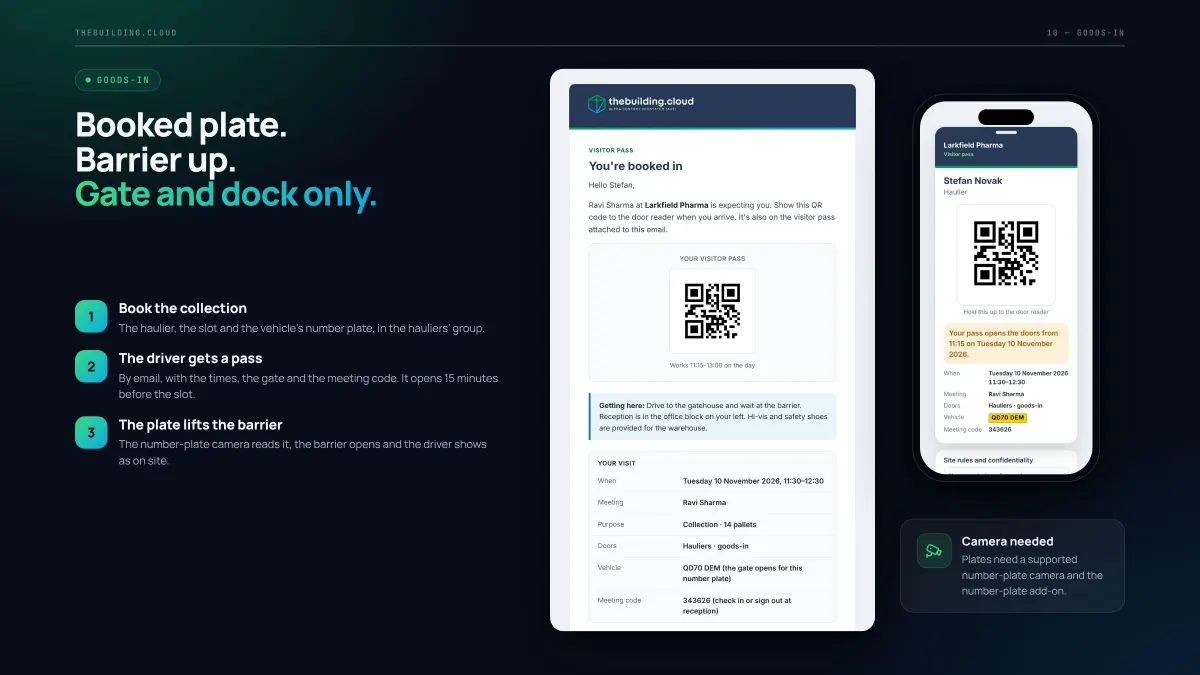
GOODS-IN
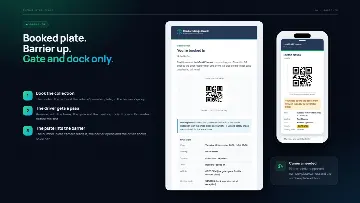
A haulier can be booked with a time slot and vehicle number plate, then sent a pass for the gate and dock. Opening a barrier by number plate requires a supported camera and the number-plate add-on.
Page 11
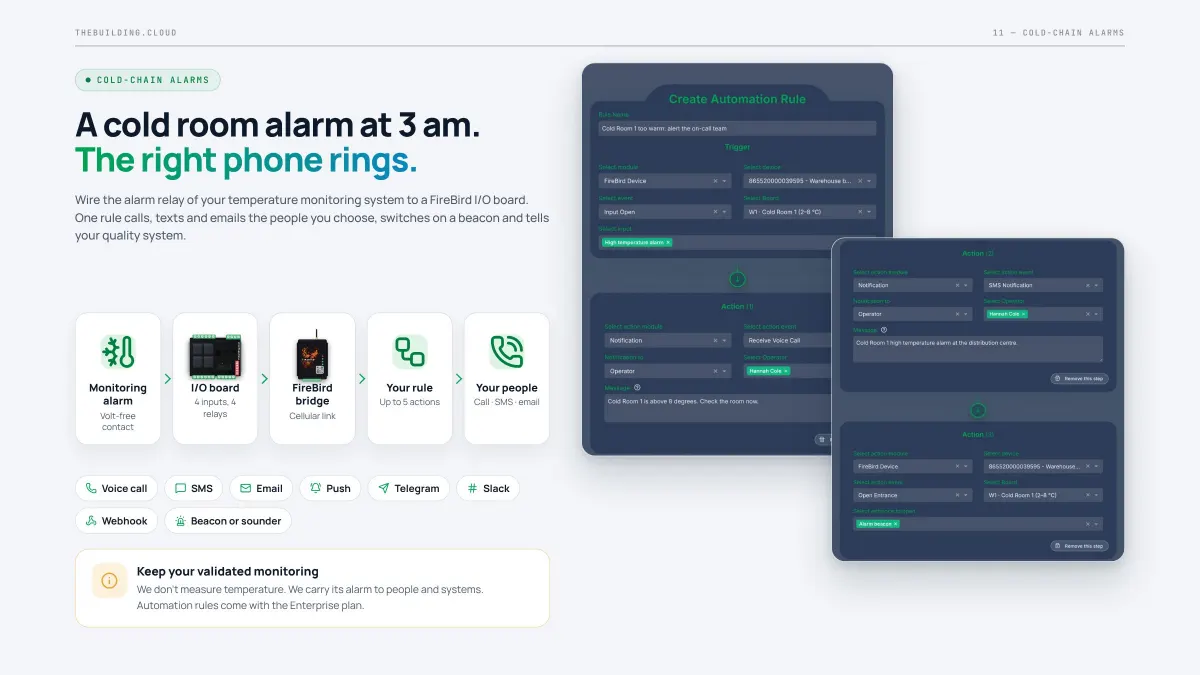
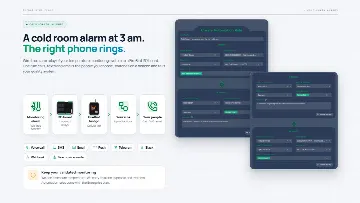
COLD-CHAIN ALARMS
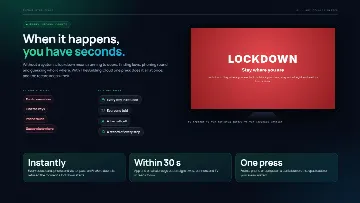
An alarm relay from a temperature monitoring system can connect to a FireBird I/O board. An automation rule can notify selected people and systems; the platform carries the alarm but does not measure temperature.
Page 12
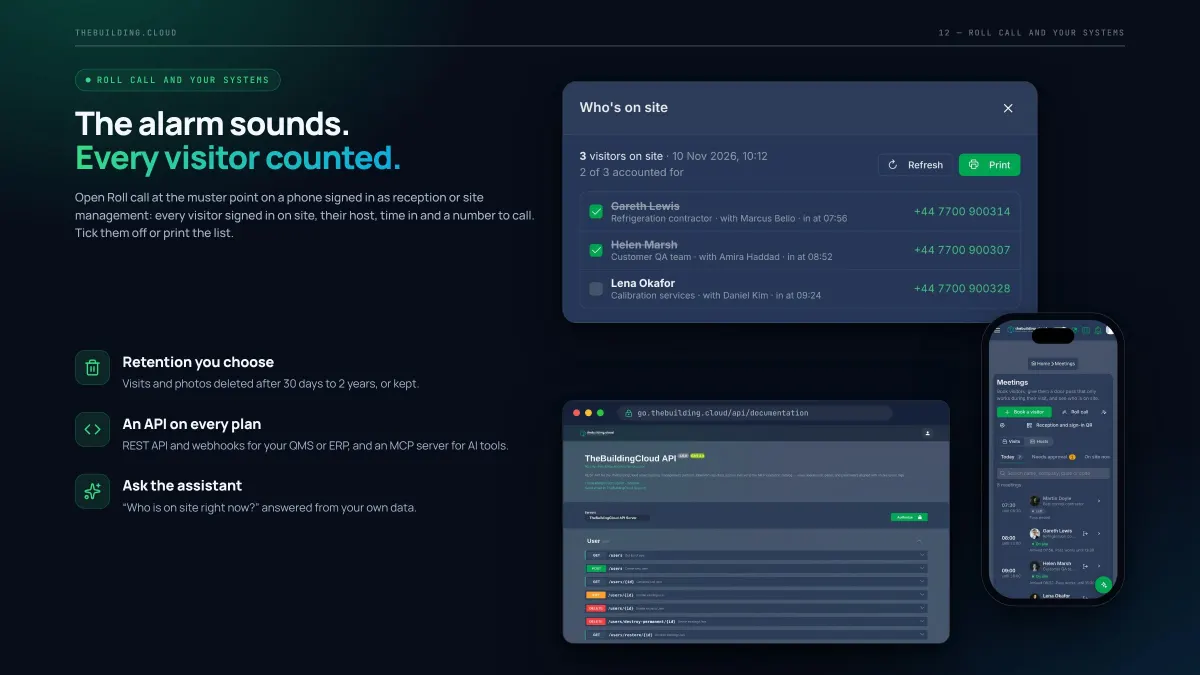
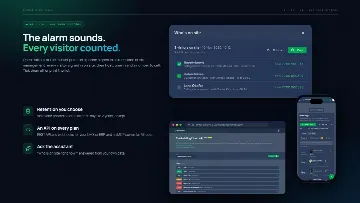
ROLL CALL AND YOUR SYSTEMS
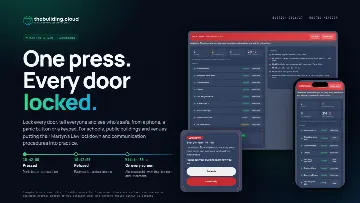
Reception or site management can open visitor roll call on a phone, tick people off or print the list. The page also describes visit and photo retention choices, an API, webhooks and an MCP server for AI tools.
Page 13
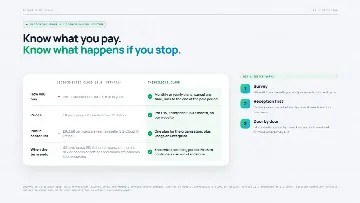
SWITCHING FROM A LICENCE-BASED SYSTEM
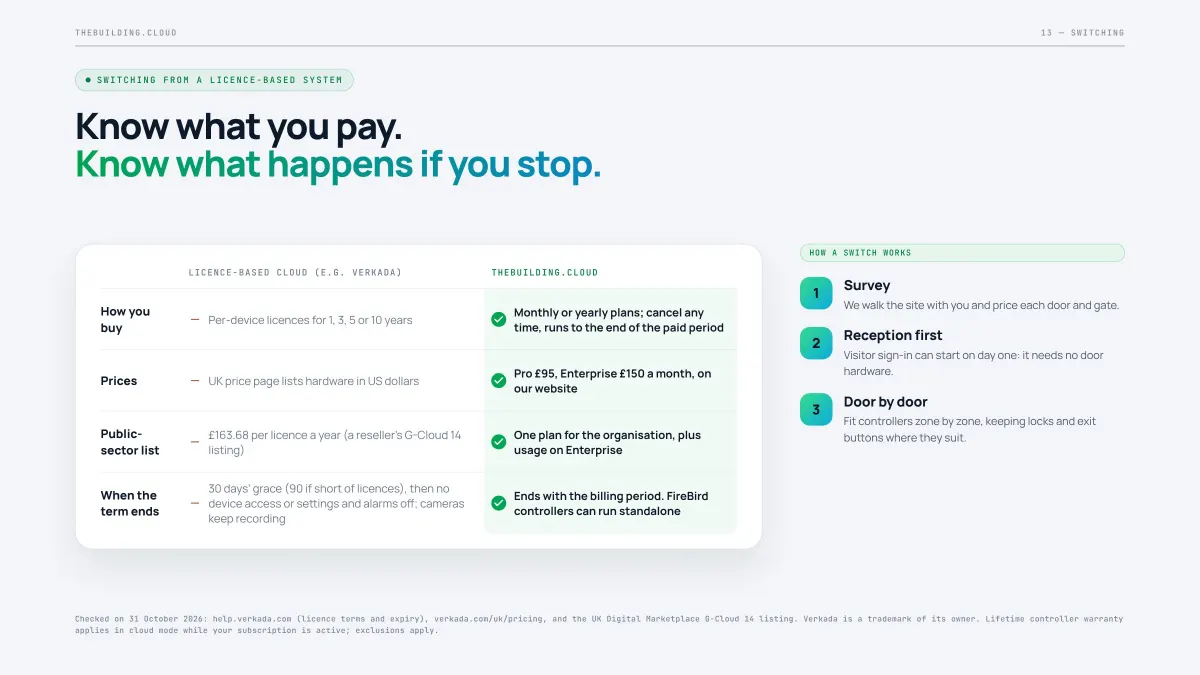
The brochure compares purchasing and expiry terms with a licence-based cloud system. It describes a switch starting with a site survey and reception sign-in, followed by fitting door controllers zone by zone.
Page 14
NEXT STEP
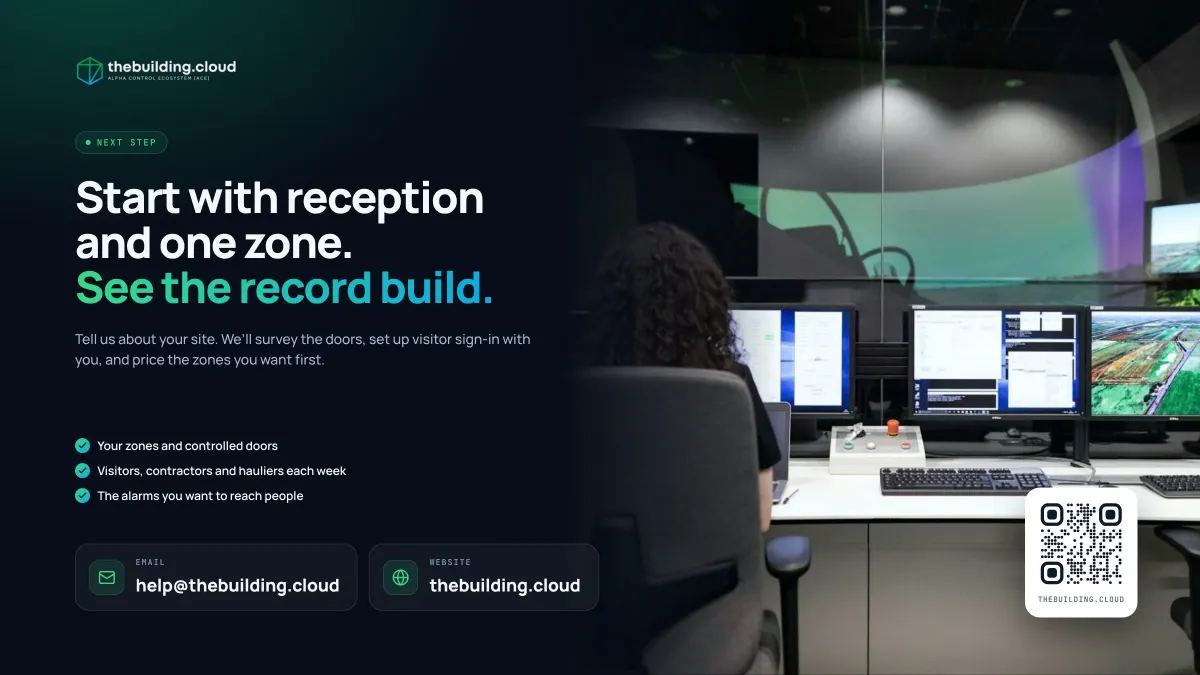
The brochure invites sites to discuss their controlled doors, visitor numbers and alarms. It proposes starting with reception and one zone, with a survey and pricing for the first zones.
Key points
- Access logs are kept online for 60 days.
- Walk-ins need host or reception approval before receiving door access.
- Cold-room alarm notifications require an existing temperature monitoring system.
- Automation rules come with the Enterprise plan.
- FireBird controllers can run standalone when a plan ends.
- The platform does not claim GxP validation.
Who it’s for
- Pharmaceutical manufacturers
- Pharmaceutical wholesalers
- Laboratories
- Teams managing visitors and doors at licensed sites
- Teams responsible for cold-room alarm notifications
Questions people ask
Can visitors be limited to particular doors and times?
Yes. Visitors can be assigned a door group and a pass that opens and closes at set times.
Are refused door attempts recorded?
Yes. Visit records show refused attempts, and the access log can be exported as CSV or through the API.
Does the system measure cold-room temperature?
No. It carries an alarm from your temperature monitoring system to selected people and systems.
Can reception see who is on site during an alarm?
Yes. Reception or site management can open visitor roll call on a phone to see signed-in visitors, their hosts, times in and contact numbers.
Can visitor sign-in start before door controllers are fitted?
Yes. The brochure says visitor sign-in can start on day one because it needs no door hardware.